
Skin Concern
Pigmentation
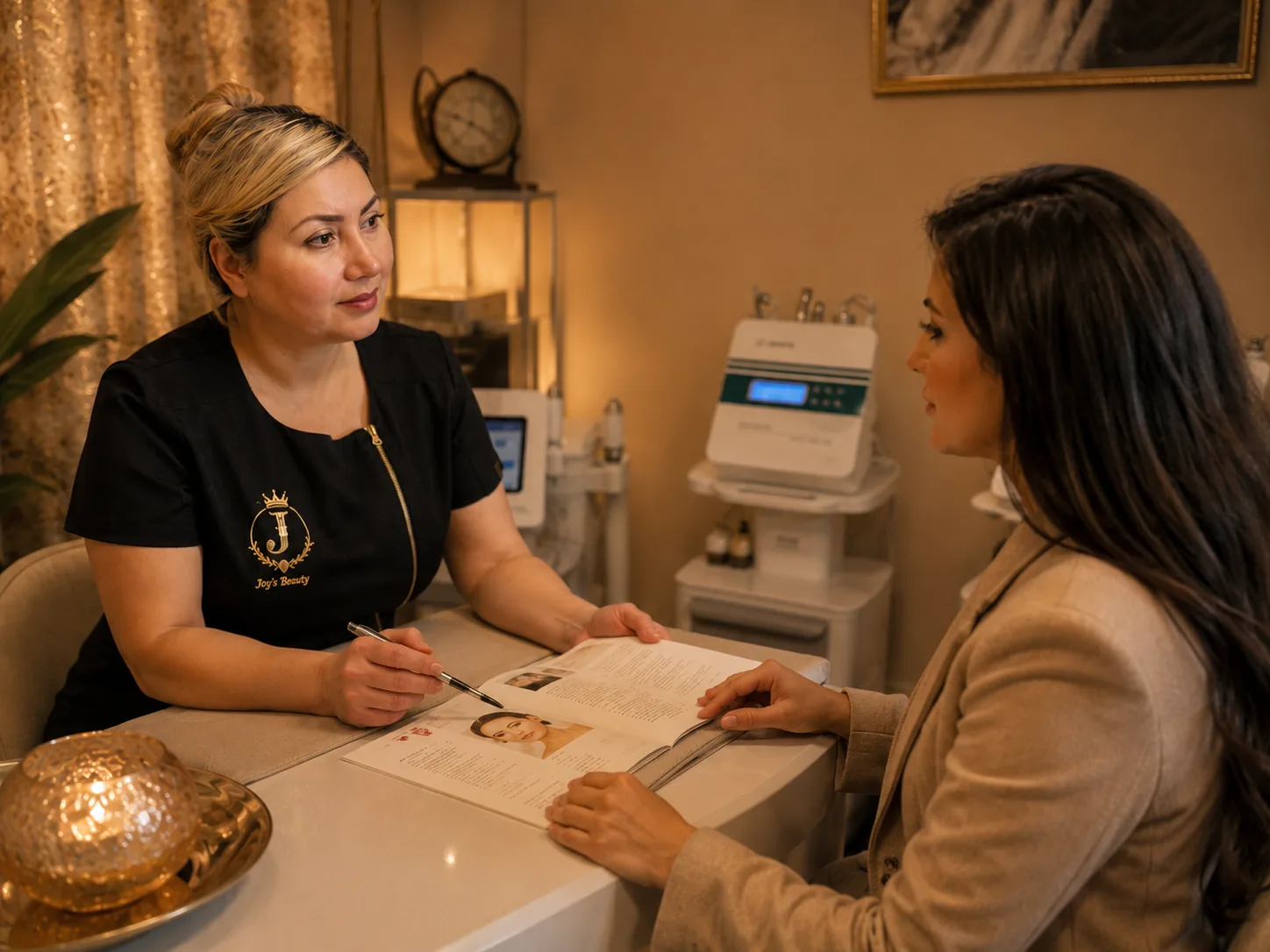
Consultation first
Treatment plans begin with a careful conversation.
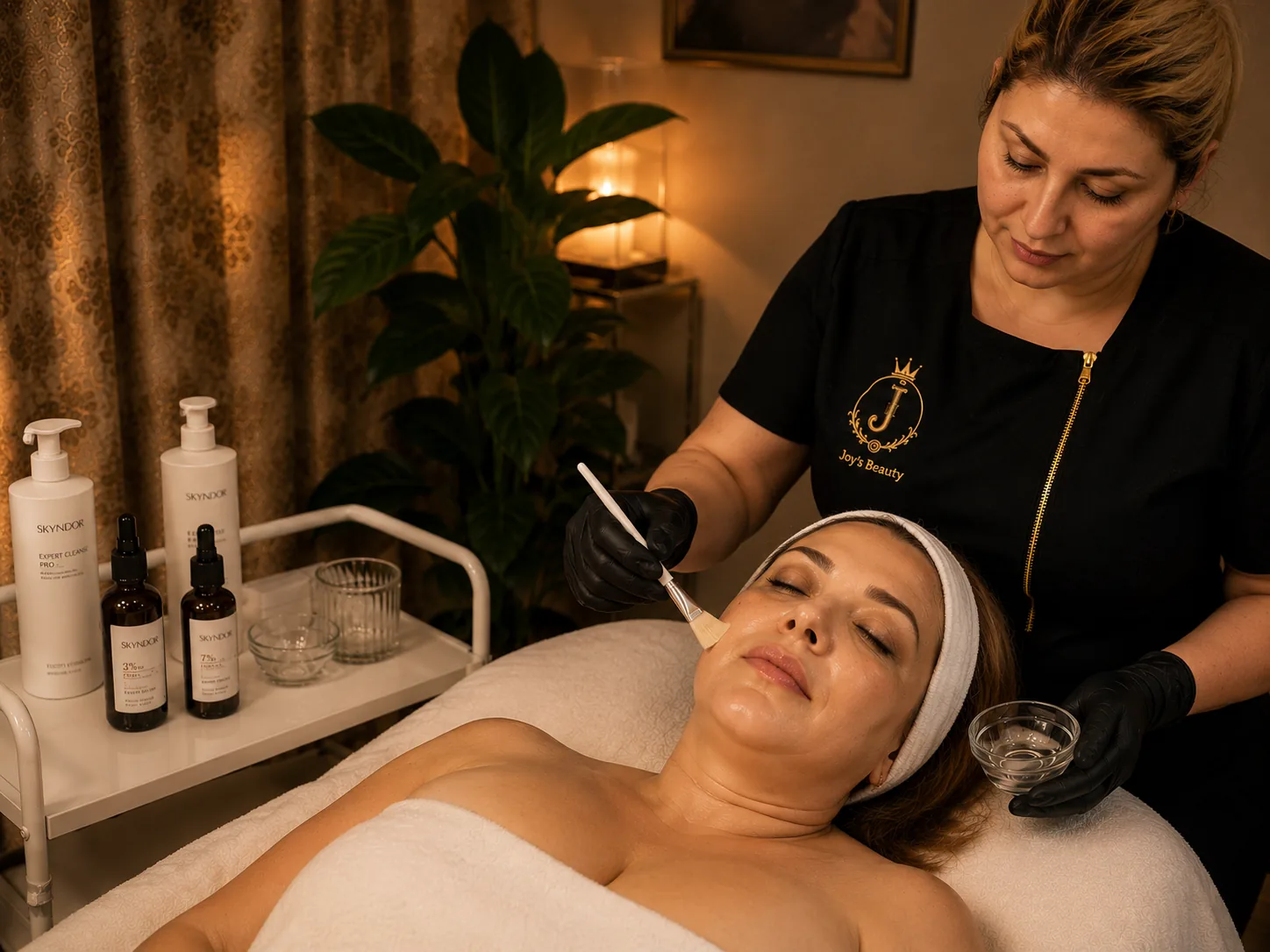
Peel preparation
Controlled peel preparation tailored to skin suitability.
About This Concern
Pigmentation: what happens
Would you notice these?
Signs of Pigmentation
Darker patches on cheeks, forehead, or upper lip
post-inflammatory hyperpigmentation that outlasts a blemish
sun-induced dark spots that appeared after seasonal sun exposure
uneven skin tone where some areas look significantly darker than others
patches that are more visible after exercise, heat exposure, or sun.
Suitable Treatments
Treatments for Pigmentation
What to Expect
Your Pigmentation journey
Pigmentation Assessment
Your clinician distinguishes between surface-level discolouration (often responsive to chemical peels) and deeper melasma or hormonal pigmentation (which may benefit from fractional RF microneedling alongside topical support).
Peel or Microneedling Selection
A tailored plan is chosen, typically starting with a lighter peel to assess tolerance, followed by medium-strength treatments as the skin adapts. Stubborn areas may be supplemented with fractional RF microneedling.
Treatment Session
The selected treatment — whether a controlled chemical peel, fractional RF microneedling, or LED-support session — is applied to the pigmented areas with precision.
Aftercare & Monitoring
You will receive tailored aftercare guidance. Pigmentation improves gradually over weeks — consistency matters more than intensity.
Chemical peels are generally suitable for most skin types, though Fitzpatrick skin types IV–VI may need gentler formulations. Hormonal pigmentation (melasma) tends to respond best to a combined approach. Sun protection is essential before and after every session.
Aftercare & Safety Note
Before and after your Pigmentation
Aftercare Instructions
- Apply SPF 30 or higher daily — UV exposure darkens treated areas during the renewal phase.
- Use a gentle moisturiser to support your skin barrier after exfoliation.
- Avoid direct sun exposure for at least 48 hours after any peel or microneedling session.
- Do not pick at flaking skin — allow natural shedding to occur.
- Avoid vitamin A or strong retinoids for at least 3 days after treatment.
Safety Notes
- A patch test may be recommended before deeper peels on darker skin tones.
- Hormonal pigmentation may recur post-treatment — maintenance peels can help sustain improvements.
FAQs
Frequently asked questions
Pigmentation can return if sun protection is inconsistent or if hormonal triggers remain active. Maintenance peels every few months help sustain the improvement gained from a full treatment course.
Light-to-medium peels tend to be the safest starting point. Deeper peels deliver faster results but require more recovery time and closer monitoring. Your clinician will recommend a gradual progression.
Ready to discuss your pigmentation treatment plan?
Speak with the clinic to choose the most suitable approach and book your consultation.